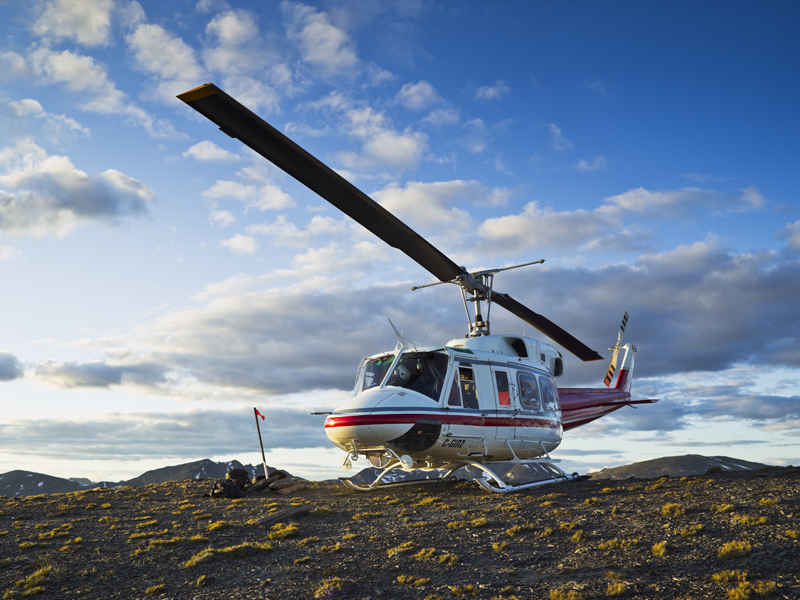
Helicopter Frost Patrol Support Flights
Frost patrol missions are time-sensitive and forecast-driven. Helicopter Academy supports cold-weather monitoring flights with practical planning, route coordination, and scheduling support to help you act during high-risk windows.
Launch windows can be short and weather-dependent. The fastest outcomes come from pre-planning target areas and communication contacts before risk periods.
How Frost Patrol Support Typically Works
Pre-Plan the Risk Window
Share likely dates, staging locations, and target areas ahead of time so scheduling is easier on short notice.
Coordinate Target Areas
Define the route, coverage priorities, and communication expectations to keep the mission efficient.
Conservative Go/No-Go
Weather, visibility, and ceilings may require delays. Safety and feasibility drive decisions.
Request Checklist
Send These Details
- Target area(s) and staging location
- Preferred launch window(s) and duration
- Coverage priorities (critical zones first)
- Communication preferences and key contacts
- Any airspace or access constraints
Seasonal Planning
If you have recurring seasonal needs, ask about a pre-planned approach so launch decisions can be made faster when conditions develop.